Drops soon · At least 2 inches by the Week 8 retest, or your $29 back
 YoodunksComing Soon
Vertical Jump 1.0
Foundation
Phase 1 of 4 · 8 weeks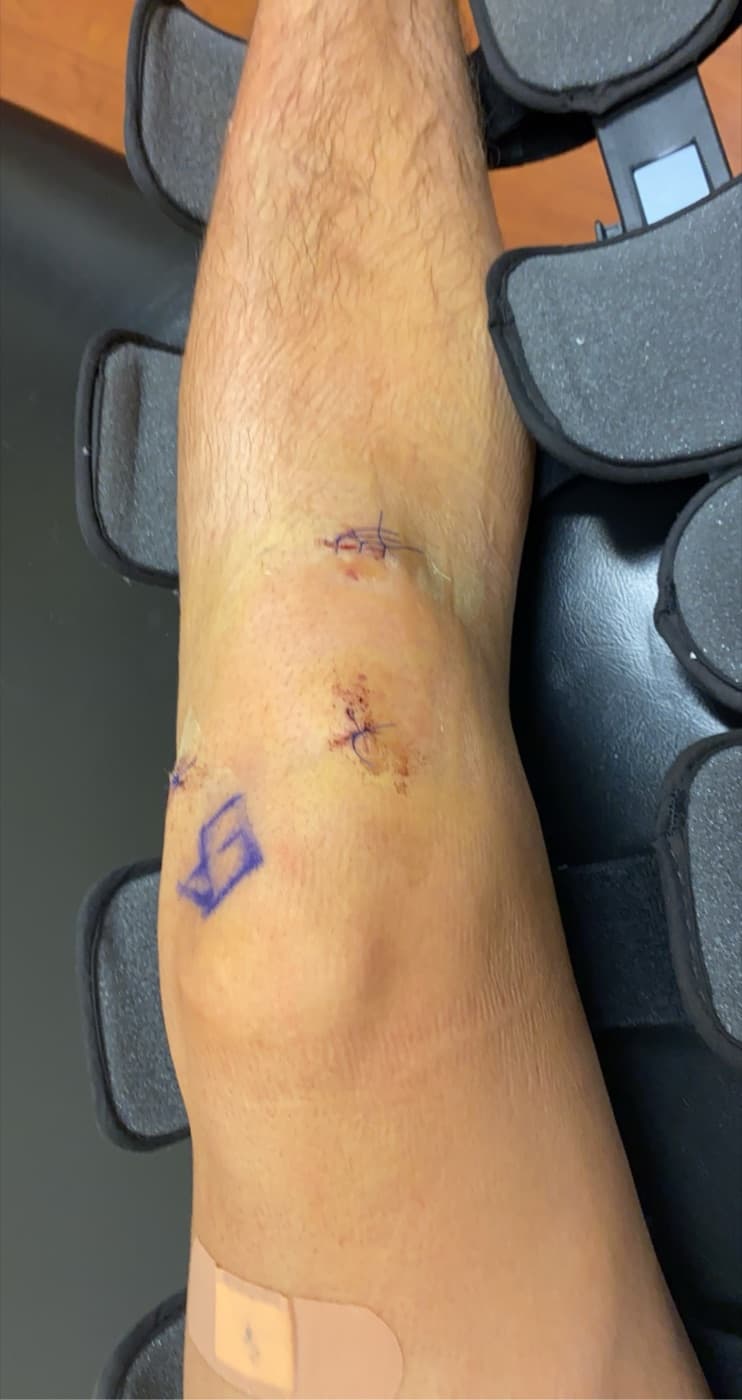
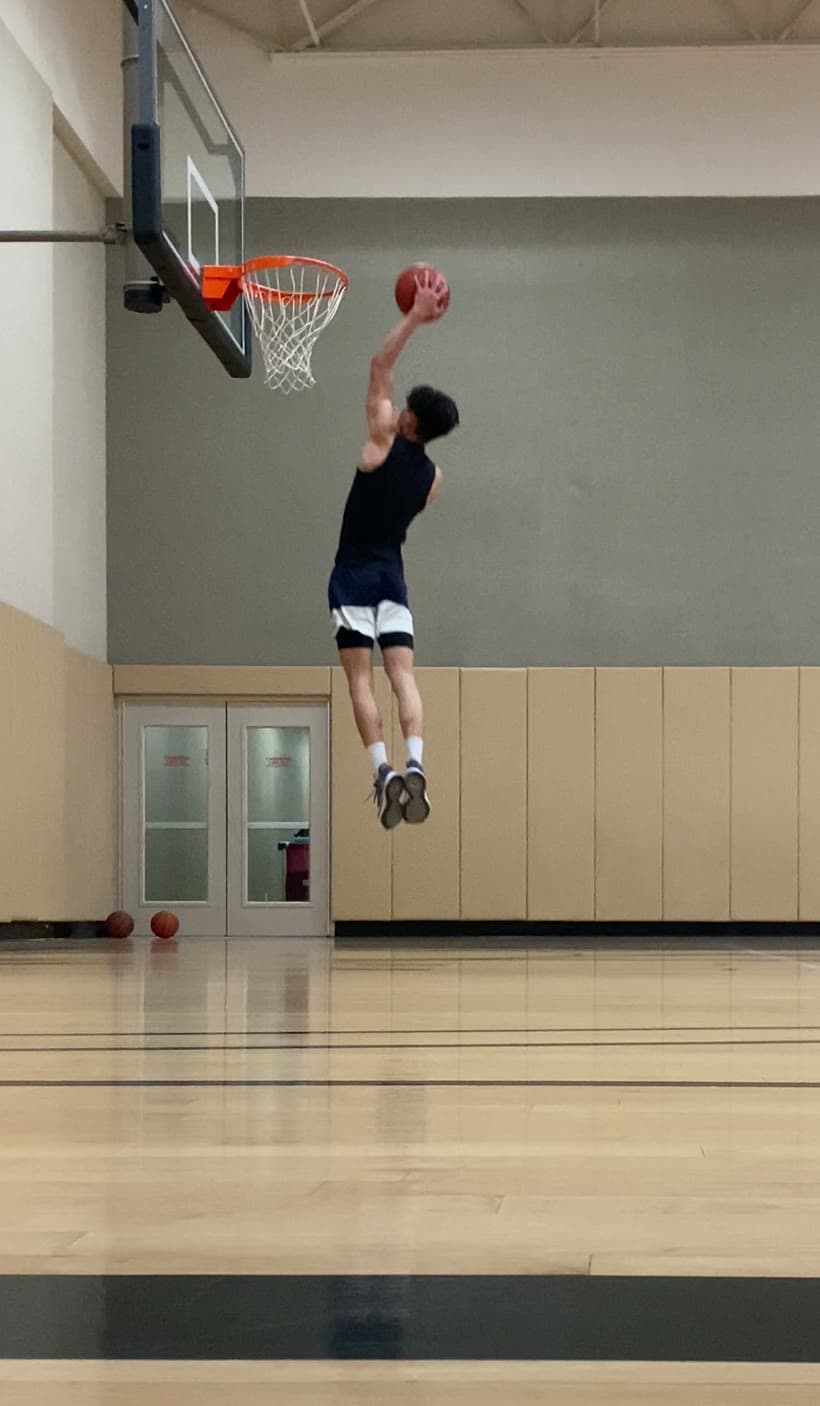
Built by the coach who rebuilt a torn ACL into a 43-inch running vertical
Add 2 to 4 inches to your vertical in 8 weeks with The Foundation Protocol.
A 3-day-a-week program that builds the tendon base, fixes how you test, and tells you exactly what to do next. No guessing through reel workouts. No max-effort depth jumps in Week 1.
- 24 sessions with every set, rep, tempo, rest, and RPE written out
- Fresh-leg retests at Weeks 0, 4, and 8, measured on film
- A missed-day plan so one bad week doesn't kill the block
- 71-page manual, Excel tracker, and 12 cited references
- Instant download: 71-page manual + Excel tracker
- Yours forever, on every device
Try it risk-free for 8 weeks. Run it, log it, retest. Not up at least 2 inches? Full $29 back.
Is this just an AI-generated PDF?
No. It's the first 8 weeks of the system I used to rebuild my own jump after a torn ACL, the same sequence my 1:1 clients run. 71 pages, 12 cited references, and my guarantee printed on page 2 with my name on it.
Other programs promise 9 to 15 inches. Why would I pay for 2?
Read their fine print. It says “results not typical,” and the reviewers who actually measured got 2 to 4 inches with plateaus by week 3. I guarantee the typical result instead of advertising the miracle. Two inches you can prove on film beats fifteen in a headline.
How does the guarantee work?
Run at least 22 of your 24 sessions and log them in the tracker. Retest in Week 8 using the protocol in the manual. Not up at least 2 inches? Email me your log and the $29 comes back. It's the same deal printed on page 2 of the manual. You'll sign it.
THE RECEIPTS ARE ON FILM
I'm not selling you a theory. I'm selling you my rehab.
I was the kid running the hype programs. Then a rebound landing tore my ACL, and pretty much everyone told me to hang it up.
In rehab I found the thing the internet never told me: the method that invented depth jumps saved them for prepared athletes, in tiny doses. Everything I'd done as a kid was the inverted version. Jumps first, foundation never. So I rebuilt myself in the right order, tendon first, and came back jumping higher than before the tear: a 43-inch running vertical, with over 15 million views of the receipts.
Your vertical is a number you can measure with a wall and a tape. Numbers you can measure, you can move.
CASE STUDY 01
Shansha, post-ACL client
- Starting point
- Coming back from an ACL tear. Barely touching the backboard.
- The plan
- The exact tendon-first sequence in this manual, run as written.
- Week 9
- Rim, 5 times in a row. On film.
“You can trust this guy, because he has gone through exactly what you have gone through.”
SOUND FAMILIAR?
350 athletes told us why they're stuck.
“Everytime i do plyometric and leg day i don't think my jump has some improvement.”
“I think i was born slow twitch.”
“There are lots of programs on social media, but i don't know which would be the best for me.”
None of these athletes were lazy. I read every answer. Most of them were doing real work, and the same two patterns kept appearing. Neither one is genetics.
THE REAL PROBLEM
You've been spending a spring you never built. And testing it in a way that hides your progress.
PROBLEM 01 · THE UNBUILT SPRING
Jumping alone doesn't build the tendon base your jump depends on.
Your jump runs on two tendons that work like springs. Here's what the research found: tendons get stiffer from heavy, slow loading held over weeks. A jump's ground contact is too short to build them (Bohm 2015, meta-analysis of 27 studies). So every “just jump more” program spends the spring without ever compressing it. That's the plateau. It's also why knee pain is everywhere in this sport: about 1 in 3 elite basketball players has patellar tendinopathy (Lian 2005). The 8 boring weeks underneath your jump are the part that actually builds it.
PROBLEM 02 · THE BROKEN SCOREBOARD
Testing your max every day makes progress read as decline.
Max-testing on tired legs, day after day, with no deloads, reads LOWER than day one even while you're improving. It's like checking a savings account every hour and panicking that it hasn't doubled. This is why people quit free programs at week 3. The program wasn't always failing. The scoreboard was lying.
60 YEARS OF SELLING THE JUMPS
The jumps have been free since 1967. The system around them is what got deleted.
Every jump exercise you've ever seen is free on YouTube. That was never the missing piece. Here's what actually happened to jump training:
- 1967
Soviet scientist Yuri Verkhoshansky publishes the depth jump. The original method comes with strict entry requirements, tiny doses, and long rest. The guardrails ARE the method.
- 1975+
Jump training goes commercial. Strength Shoes sell the exercises with the guardrails stripped out; a controlled trial later finds the shoe group gained nothing and suffered 7 injuries to the control group's 1 (Porcari 1996). The ebook era follows with promises of 9 to 15 inches and “results not typical” in the fine print.
- Today
TikTok and YouTube hand out max-effort plyo with zero qualification, zero dosing, zero testing protocol. The jumps, without the system. Again.
Foundation is the deleted half of the method, restored. That's why it works, why the risky work waits until you've earned it, and why it looks boring next to the hype programs. The guardrails are the product.
Inside the program
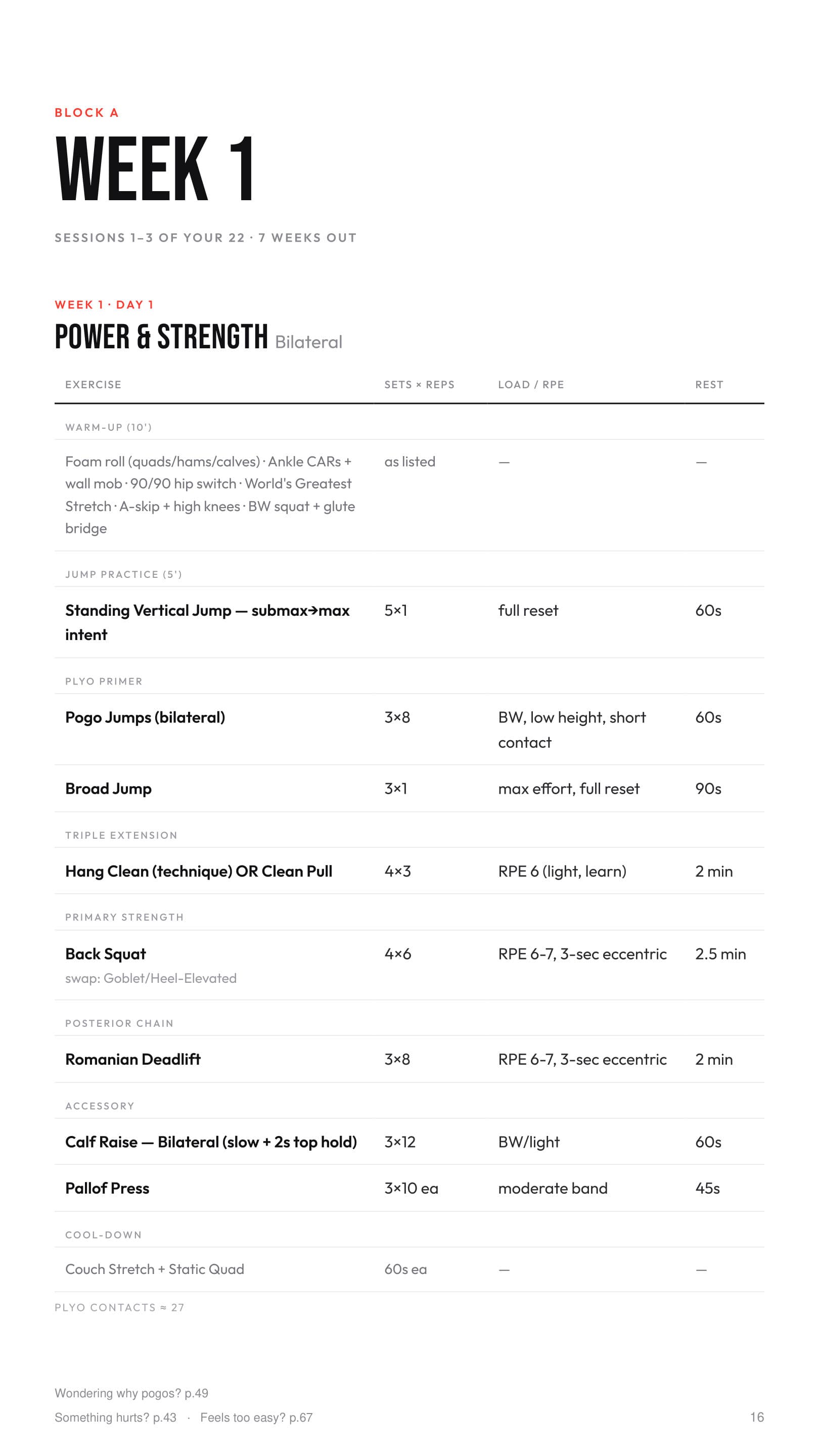
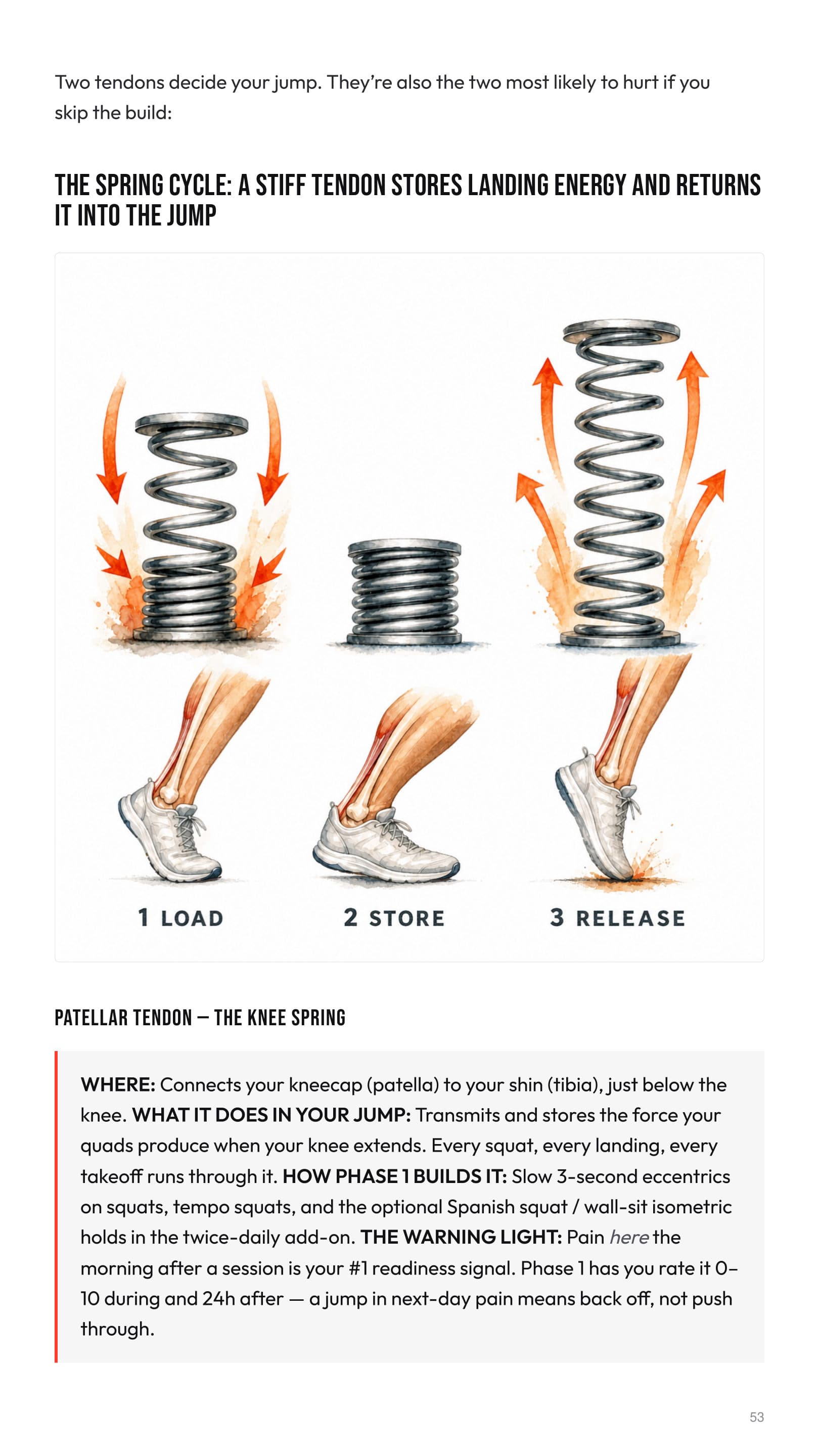
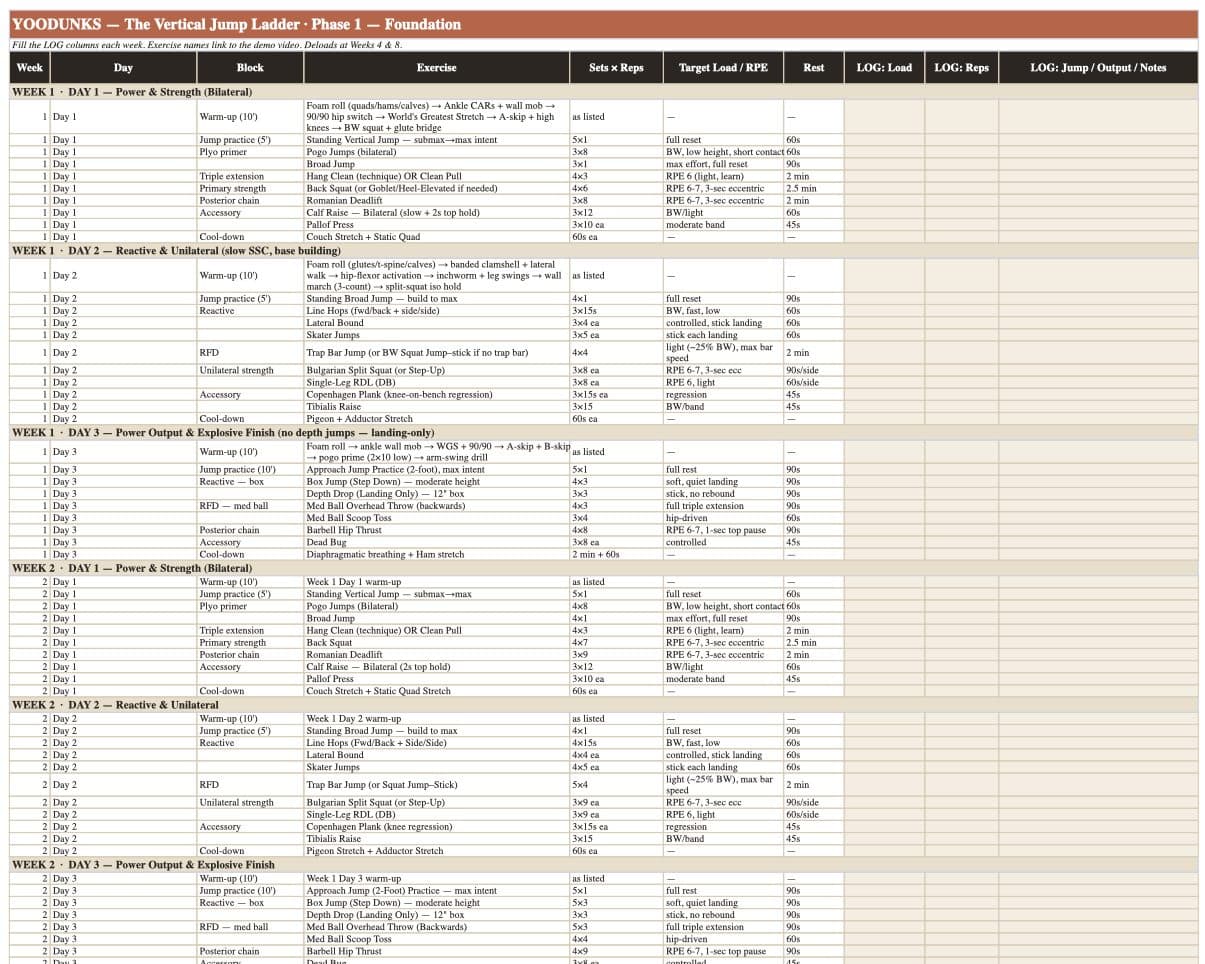
71 pages. 12 cited references. An illustrated anatomy chapter and an Excel tracker for all 8 weeks. This is page 16. The rest looks like it.
The breakdown
Weeks 1–3
Block A — Build
Tissue prep, movement quality, base strength
Week 4
Deload + Test
Recover, mid-phase reassessment
Weeks 5–7
Block B — Build
Re-load at a higher floor, new stimulus
Week 8
Deload + Retest
Peak the block, full test battery
WHY I GUARANTEE 2 AND NOT 15
The famous programs promise 9 to 15 inches. Their own fine print says that's “not typical.”
So here's my move: I promise the range athletes actually report and guarantee its floor. Controlled research on combined jump training (strength work plus jump work, sequenced) consistently shows measurable gains, and athletes who measure honestly land around 2 to 4 inches. A few beat the top of the range. The guarantee doesn't need them to: not up at least 2 inches by the Week 8 retest, you get the $29 back. They can't put a refund behind their number. I can put one behind mine.
And no, there are no depth jumps in week one. There are almost no max-effort jumps in this phase at all. Depth jumps are advanced shock work. You earn them in Phase 3, through progressive strength, landing preparation, and controlled dosing. That is the entire point of a foundation.
The free program
Phase 1
Depth jumps in week one
Tendon loading. Depth jumps get earned in Phase 3.
“3x10, feel it out”
Exact sets, reps, tempo, RPE
Test your max every other day, on tired legs, and wonder why the number won't move
Baseline, Week 4, Week 8. Tested fresh, after deloads.
Quit at week 3
Week 3 is mapped. There's a letter waiting for you in the manual.
What's included
Here's what $29 buys, specifically:
- The complete 8-week foundation block: 3 sessions/week, laid out day by day to the rep
- A 71-page illustrated manual: every exercise with cues, tempo, RPE, and substitutions
- Tendon + tissue capacity work, so you stop getting hurt chasing inches
- Landing mechanics retraining: absorb force before you produce it
- Single-leg strength so each leg can absorb and produce force without breaking down
- Excel tracker that logs every set (and qualifies you for the guarantee)
- Baseline, Week 4, and Week 8 testing built in: you'll prove the inches, not feel for them
- Phase 1 of a periodized 4-phase ladder, not a random workout list
Science explained, backed by 12 real references.
BUILT FOR WEEK 3
This program assumes you've quit programs before.
3 sessions a week, written to the rep
Sets, reps, tempo, rest, and RPE for every exercise, every day. Zero decisions to make at the gym. Deciding is where willpower dies.
Test days at Weeks 0, 4, and 8. On fresh legs.
You test after deloads, when your legs can actually show you the truth. The free programs make you test tired and watch the number sink. This one makes the scoreboard honest.
A plan that survives missed days
Miss a session and the manual tells you exactly what to do next. One missed day stops being the reason the whole thing dies.
The guarantee doubles as your accountability
To qualify for the refund you run at least 22 of 24 sessions and log them in the tracker. Read that again: the refund condition is just the follow-through you already know you need.
THE DEAL, IN FULL
Run at least 22 of your 24 sessions and log them. Retest in Week 8 with the protocol in the manual, fresh legs, on film. Not up at least 2 inches from your Week 0 baseline? Email me your log and the $29 comes back. No hoops beyond the logging. It's printed on page 2 of the manual.
Other programs hide “results not typical” in the fine print. My fine print is the guarantee.
READ THIS BEFORE YOU BUY
Who this is for. And who it isn't.
Never trained seriously. 30s or 40s, busy, starting from zero.
This phase was built as the on-ramp. No depth jumps, no max-effort work you're not ready for, and substitutions for every exercise. If you can train 3 hours a week, you can run this.
2+ years in the gym. Strong legs, jump won't move.
You're the exact athlete this was written for. You already own the strength base. What's missing is the tendon stiffness, landing mechanics, and sequencing that turn gym strength into inches. Cleanest, fastest results of anyone on this page.
4+ years of training. Already jumping 35 to 40 inches.
Honestly? You're past it. If you already run structured strength and plyo blocks, Foundation is a floor you own, and you'd be bored by week 2. You need heavier, individualized loading and someone pushing you past what a PDF can. Apply for the 1:1 coaching instead.
Apply for 1:1 coaching →One honest exception: if you've never deliberately trained your tendons, an 8-week foundation block is cheap insurance at any level. But if the middle card isn't you, read the third one twice.
Questions, answered straight
Is this just an AI-generated PDF?
No. It's the first 8 weeks of the system I used to rebuild my own jump after a torn ACL, the same sequence my 1:1 clients run. 71 pages, 12 cited references, and my guarantee printed on page 2 with my name on it.
Other programs promise 9 to 15 inches. Why would I pay for 2?
Read their fine print. It says “results not typical,” and the reviewers who actually measured got 2 to 4 inches with plateaus by week 3. I guarantee the typical result instead of advertising the miracle. Two inches you can prove on film beats fifteen in a headline.
How does the guarantee work?
Run at least 22 of your 24 sessions and log them in the tracker. Retest in Week 8 using the protocol in the manual. Not up at least 2 inches? Email me your log and the $29 comes back. It's the same deal printed on page 2 of the manual. You'll sign it.
Do I need this if I already lift?
Yes, lifting general strength isn't the same as building the tendon stiffness, landing skill, and single-leg base a jump is built on. This phase fills exactly those gaps.
Will I actually gain inches in Phase 1?
Honest answer: some. Usually a couple. The real answer: Phase 1 is why Phases 2–4 produce the big numbers instead of an injury. Tendons adapt in 12+ weeks; muscle in 4–6. This block builds the tissue everything else launches from.
Phase 1 of 4. Am I being strung along?
Phase 1 stands alone. It has its own result (the Week 8 retest) and its own guarantee, and nothing in it requires buying anything else. The later phases exist for when you want them.
What equipment do I need?
A gym or home setup with a barbell or dumbbells, a box/step, and somewhere to do landings. Substitutions are included.
How much time does this take?
Three sessions a week, about an hour each, for 8 weeks. Every minute is written out. Miss a day and the manual tells you exactly how to adjust, so one missed session never kills the block.
My knees already ache when I jump. Is this safe?
Phase 1 uses the slow, heavy loading style the tendon research is built on, and it starts below the jumping intensity you're already doing. That said, pain that's sharp, constant, or getting worse belongs with a professional before any program, this one included.
I already jump close to 40 inches. Is this for me?
Probably not. Foundation builds a floor you likely already own. If you're past it, you need heavier, individualized programming and someone pushing you. That's the 1:1 coaching, not this PDF.
Build the spring first.
Not for sale yet. It drops soon.
- Instant download: 71-page manual + Excel tracker
- Yours forever, on every device
Try it risk-free for 8 weeks. Run it, log it, retest. Not up at least 2 inches? Full $29 back.